
"Conillon coffee"
240 article(s) found

Grinding scale of Brazilian Hilado Coffee beans introduction to the manor of taste treatment
Brazil is vividly compared to the giant and monarch of the coffee world. There are about 3.97 billion coffee trees there, and small farmers now grow 75% of Brazil's total coffee production. The number of coffee producers in Brazil is twice or even three times that of Colombia, the second largest coffee producer in the world. Unlike in the past, Brazil's economy is less dependent on coffee.

Is Brazilian coffee good? what kind of Brazilian coffee do you have?
A brief introduction to Brazilian Coffee Brazilian coffee generally refers to coffee produced in Brazil. There are many kinds of Brazilian coffee. Like other Arabica coffee, Brazilian coffee is called Brazilian coffee Brazils to distinguish it from Milds coffee. The vast majority of Brazilian coffee is unwashed and sun-dried and is classified according to the name of the state of origin and port of transport. Brazil has 21 states and 17 states produce coffee

Coffee appreciation Handbook Coffee Origin: Brazil Brazil Brazilian coffee beans
For professional baristas, please follow the coffee workshop (official Wechat account cafe_style) low-acidity, moderately roasted coffee beans from the World Coffee Center. Brazil is vividly compared to the giant and monarch of the coffee world. There are about 3.97 billion coffee trees there, and small farmers now grow 75% of the country's coffee. The number of coffee producers in Brazil is

What are the categories of Robusta coffee beans
Following Cafe (official account vdailycom of Wechat) found that Beautiful Cafe opened a small shop of its own. In fact, Robusta also falls into many categories and can't generalize or pursue price blindly. Among the big coffee countries, Robusta is a major producer of Vietnam, Brazil, Indonesia, India and so on. Like Arabica, Robusta in each country has a corresponding hierarchy.

What is the market situation of Brazilian coffee beans? what are the varieties of Brazilian coffee beans?
Follow the comments (Wechat official account vdailycom) found that the coffee shop opened a small shop in Brazil. How are Brazilian coffee beans going? Brazilian Agriculture Minister Blairo Maggi said on Monday that the Brazilian government plans to allow Robusta coffee beans to be imported from Vietnam. Brazilian instant coffee producers have been lobbying on the issue for months. Tuesday (February 21), Saint Eyre

Brazilian Coffee Flavor Brazilian Coffee characteristics Brazilian Coffee taste Manor
Brazilian coffee generally refers to coffee produced in Brazil. There is a wide variety of Brazilian coffee, the vast majority of which are unwashed and sun-dried, classified according to the name of the state of origin and the port of transport. Brazil has 21 states and 17 states produce coffee, but four of them produce the largest, accounting for 98% of the country's total output. Brazilian coffee has a low sour taste, which goes well with coffee.

Description of soft-scented Brazilian Coffee Flavor introduction to the production process of planting environment
Although coffee is diverse, Brazilian coffee is suitable for the taste of the public. For example, coffee produced in the northern coastal areas has a typical iodine taste, reminiscent of the sea after drinking. This coffee is exported to North America, the Middle East and Eastern Europe. Another kind of coffee that is interesting and worth looking for is washed Bahia coffee. This kind of coffee is not easy to find, because after the United States

Brazilian coffee has a low sour taste and is suitable for public taste.
Following Cafe (official Wechat account vdailycom) found that the Brazilian coffee industry follows the principle of picking first and screening later, but in other Latin American countries, people only pick the fully ripe fruit, and if it is not ripe enough, the growers will leave the fruit on the tree. Why is there such a big difference between the two methods? The reason lies in the raw bean.

Fragrant, slightly bitter, smooth Brazilian coffee flavor, characteristics, taste and estate introduction
Brazilian coffee refers to coffee produced in Brazil. There are many types of Brazilian coffee, most of which are unwashed and dried. They are classified according to the state of origin and port of shipment. Brazil has 21 states, 17 of which produce coffee, but four of them produce the most, accounting for 98% of the country's total production. Brazilian coffee has a low acidity in the taste, and it is accompanied by coffee

Low acidity, medium roast coffee beans from the coffee center of the world. Bahia, Brazil.
Brazil Low-acidity, medium-roast coffee beans from the coffee center of the world Brazil has been figuratively compared to the giants and kings of the coffee world. There are about 3.97 billion coffee trees, and small farmers now grow 75 percent of the country's coffee. Brazil has twice or even three times as many coffee producers as Colombia, which is the world's second-largest coffee producer.

Sweet and smooth taste slightly bitter Brazilian coffee flavor, characteristics, taste and manor
Brazilian coffee generally refers to coffee produced in Brazil. There is a wide variety of Brazilian coffee, the vast majority of which are unwashed and sun-dried, classified according to the name of the state of origin and the port of transport. Brazil has 21 states and 17 states produce coffee, but four of them produce the largest, accounting for 98% of the country's total output. Brazilian coffee has a low sour taste, which goes well with coffee.
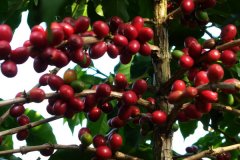
Low-acidity, moderately roasted coffee beans of the World Coffee Center of Central and South America.
Brazil, a low-acidity, moderately roasted coffee bean from the World Coffee Center, is vividly compared to the giant and monarch of the coffee world. There are about 3.97 billion coffee trees there, and small farmers now grow 75% of the country's coffee. The number of coffee producers in Brazil is twice or even three times that of Colombia, the second largest coffee producer in the world.

Sweet and smooth, fragrant and slightly bitter Brazilian coffee flavor, characteristics, taste and manor
Brazilian coffee generally refers to coffee produced in Brazil. There is a wide variety of Brazilian coffee, the vast majority of which are unwashed and sun-dried, classified according to the name of the state of origin and the port of transport. Brazil has 21 states and 17 states produce coffee, but four of them produce the largest, accounting for 98% of the country's total output. Brazilian coffee has a low sour taste, which goes well with coffee.

Sweet and smooth taste with slightly bitter Brazilian coffee flavor, characteristics, taste and manor
Brazilian coffee generally refers to coffee produced in Brazil. There is a wide variety of Brazilian coffee, the vast majority of which are unwashed and sun-dried, classified according to the name of the state of origin and the port of transport. Brazil has 21 states and 17 states produce coffee, but four of them produce the largest, accounting for 98% of the country's total output. Brazilian coffee has a low sour taste, which goes well with coffee.

What are the types of Brazilian coffee? what is the better way to treat Brazilian coffee? Brazilian coffee manor
Although coffee is diverse, Brazilian coffee is suitable for the taste of the public. For example, coffee produced in the northern coastal areas has a typical iodine taste, reminiscent of the sea after drinking. This coffee is exported to North America, the Middle East and Eastern Europe. Another kind of coffee that is interesting and worth looking for is washed Bahia. This kind of coffee is not easy to find, because after the United States

Is the kind of Brazilian coffee beans Arabica? half-sun treatment is the ancestor of honey treatment.
Professional coffee knowledge exchange more coffee bean information please follow the coffee workshop (Wechat official account cafe_style) front street-Brazilian coffee varieties, treatment brief introduction Brazil is the world's first coffee producer, coffee beans full particles, mild aroma and bean nature, moderate sour and bitter taste, smooth taste, is the representative of neutral coffee, individual products or mixed with other coffee beans

The fragrance is slightly bitter, smooth and smooth Brazilian coffee flavor, characteristics, taste and manor
Brazilian coffee generally refers to coffee produced in Brazil. There is a wide variety of Brazilian coffee, the vast majority of which are unwashed and sun-dried, classified according to the name of the state of origin and the port of transport. Brazil has 21 states and 17 states produce coffee, but four of them produce the largest, accounting for 98% of the country's total output. Brazilian coffee has a low sour taste, which goes well with coffee.

What kind of coffee beans are grown in Brazil? what are the advantages of growing coffee in Brazil?
Professional coffee knowledge exchange more information about coffee beans Please follow the coffee workshop (official Wechat account cafe_style) mention the origin of coffee, the first thing people think of is Brazil in South America, because it is the largest coffee producer in the world. There are many kinds of coffee in Brazil, most of which are unwashed and sun-dried, and are classified according to the name of the state of origin and the port of transport.

Introduction to the flavor and taste characteristics of Bolivian coffee varieties with fresh floral aroma
Although the Chinese coffee network has a variety of coffee, Brazilian coffee is suitable for the taste of the public. For example, coffee produced in the northern coastal areas has a typical iodine taste, reminiscent of the sea after drinking. This coffee is exported to North America, the Middle East and Eastern Europe. Another kind of coffee that is interesting and worth looking for is washed Bahia coffee. This kind of coffee is not easy to find.